


6th November 2025
Beyond the Numbers: How Impact Evaluation Revealed 2 Royal Avenue’s True Value
Beyond the Numbers: How Impact Evaluation Revealed 2 Royal Avenue’s True Value
Read the full report here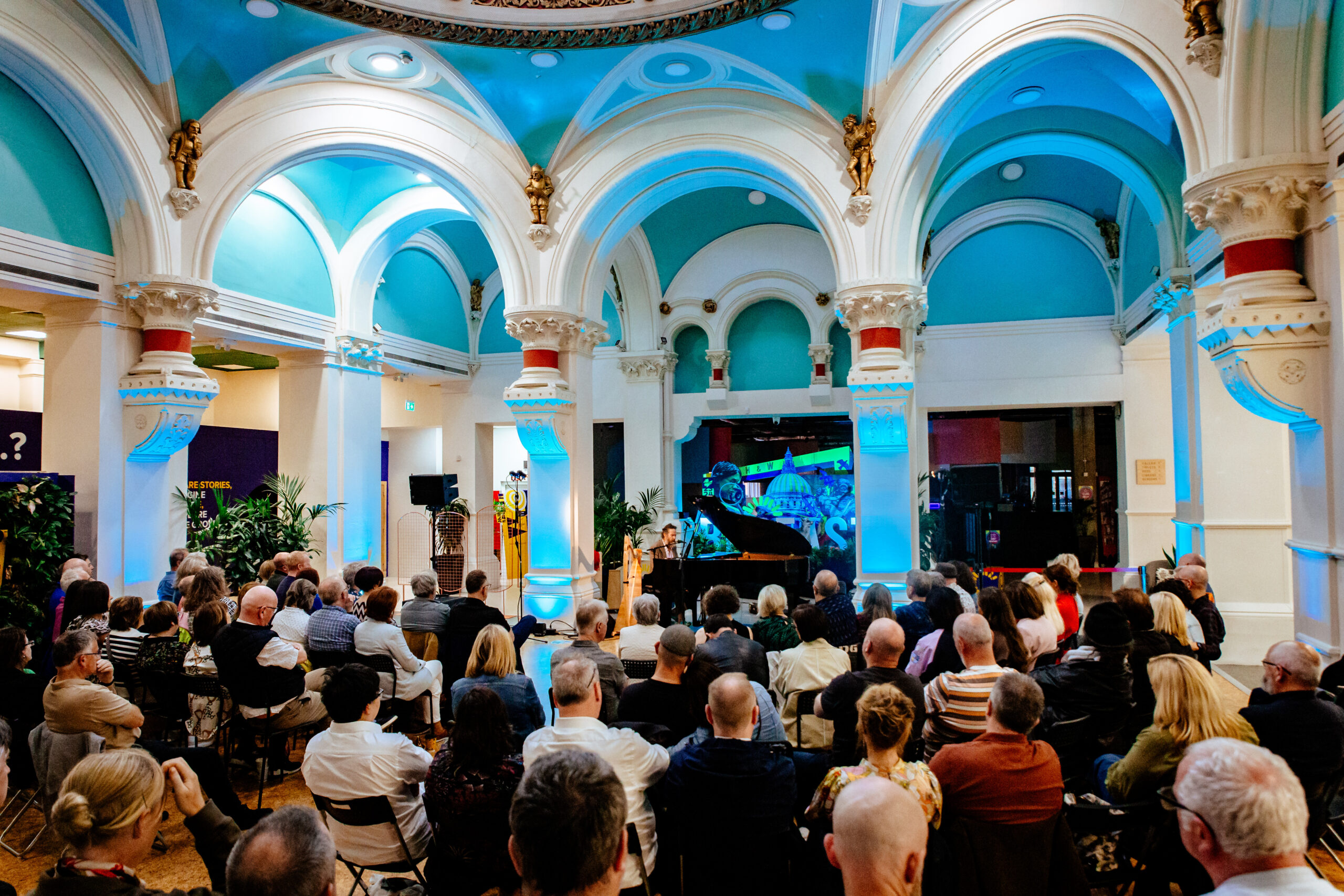
Introduction
When MayWe commissioned Thrive to evaluate the impact of 2 Royal Avenue after three years of operation, the challenge was clear: how do you measure the true value of a community space that goes beyond traditional metrics? The venue had anecdotal evidence of positive impact, but MayWe wanted to gather robust evidence they could share with stakeholders and the wider community.
This comprehensive impact evaluation included a mixed methodology to capture the full picture of 2 Royal Avenue’s role in Belfast’s civic life. Our approach included desk research reviewing existing data such as guest book comments and letters of support, alongside qualitative focus groups that revealed the deeper emotional and social impact of this unique space.
The Power of Impact Evaluation in Arts and Culture
Impact evaluation is essential for arts and cultural organisations seeking to understand and demonstrate their true value to communities, funders, and stakeholders. Unlike simple monitoring or basic feedback collection, impact evaluation examines the deeper changes an organisation creates – the transformations in people’s lives, communities, and broader society.
For cultural venues and community spaces, impact evaluation can reveal how programming influences wellbeing, social cohesion, civic engagement, and economic development. It moves beyond counting visitor numbers to understanding how cultural participation changes lives, builds communities, and contributes to place-making.
The 2 Royal Avenue evaluation demonstrated the comprehensive approach needed to capture this complexity. We analysed existing data sources, examined visitor feedback patterns, reviewed organisational testimonials, and crucially, conducted focus groups to understand the human stories behind the statistics.
Why Focus Groups Are Essential in Impact Evaluation Methodology
Focus groups are a major component of robust impact evaluation. They reveal the why behind the what – uncovering the mechanisms through which change happens and the meaning people attach to their experiences.
They create a safe space for honest conversation where participants can build on each other’s ideas, challenge assumptions, and share stories that surveys simply cannot capture. They reveal unintended consequences, unexpected benefits, and the nuanced ways that cultural engagement affects different communities.
For the 2 Royal Avenue evaluation, we facilitated three distinct focus groups: members of the public, community organisations that use the space, and front-of-house staff. This multi-stakeholder approach was crucial because each group experiences the venue differently, contributing unique perspectives to our understanding of its overall impact.

What the Impact Evaluation Revealed
The conversations brought remarkable consistency across all groups, validating findings from other data sources while providing crucial context. Members of the public described 2 Royal Avenue using words like “relaxed,” “safe,” “included,” and “hopeful.” They spoke of it as their “first stop” in the city centre, a place that had fundamentally changed their relationship with Belfast’s urban core.
The impact evaluation revealed that 2RA had shifted how people use the city centre entirely. Before 2RA, trips to town were transactional—shopping, errands, quick visits. Now they linger, meet friends, attend exhibitions, and participate in cultural life. As participants explained:
“If you don’t have money, you can still sit in 2RA. You can still meet up with a friend, can’t do that in other places.”
“Issues in society are really scary at the minute. 2RA gives you hope. These places keep that positive hope alive. It’s inclusive, cares about people.”
“2RA doesn’t have protocols. You can be yourself, they don’t rush you out.”
Community organisations revealed the venue’s role as essential civic infrastructure. Groups like Rainbow Refugees NI, Action Ability, and the Belfast Trust’s Carer Support Service use 2RA because it’s free, accessible, and centrally located. The impact evaluation showed that for many organisations, closure would mean losing not just a venue but their ability to bring their communities into the city centre at all:
“We work with a lot of young people and they come here on a regular basis outside of our work to meet their friends, hang out. It’s a quiet oasis to take a break from the city.”
“City centre not accessible to disabled people. This place allows us to meet up together, toilet and changing areas. Opens so many opportunities for disabled people.”
Staff members provided perhaps the most telling insights about long-term impact. They described their work as going far beyond typical front-of-house duties, offering social and emotional support to visitors who range from families with young children to individuals experiencing homelessness. They spoke with pride about providing what they called a “mental health sanctuary”:
“Closing this place would be a great disservice to the people of Belfast.”
“A lot of people call it their safe haven.”

The Strategic Value of Impact Evaluation
What made this impact evaluation particularly powerful was how it moved participants from describing their experiences to advocating for the venue’s future. This emotional response was carefully prompted through strategic questioning designed to elicit genuine reactions—exactly what MayWe needed to demonstrate the venue’s impact to stakeholders.
When we asked “If 2RA closed tomorrow, how would you feel about it?” the responses were immediate and passionate. Community group representatives called potential closure “a disgrace.” Members of the public said they would feel “sad and angry.” Staff worried about the “great disservice to the people of Belfast” that closure would represent.
This emotional investment revealed something crucial: 2 Royal Avenue had become more than a venue. It had become a symbol of what inclusive, community-centred city spaces could achieve.
Creating Comprehensive Understanding Through Multiple Data Sources
The impact evaluation provided crucial connections between various data sources that had existed independently. Although MayWe had collected letters of support, and maintained a guest book full of comments, these all existed as separate pieces of evidence. Our evaluation methodology helped combine all these elements and identify the connections between each data source, creating a comprehensive understanding of the venue’s impact.
This triangulation of data sources is essential in impact evaluation. Each method captures different aspects of impact – letters of support show organisational perspectives, guest book comments reveal immediate emotional responses, and focus groups uncover the deeper mechanisms of change.
The focus groups revealed the deeper impact behind the positive feedback in other data sources. Parents brought autistic children who found comfort in the sensory dome. Teenagers had somewhere safe to spend time in the city centre. Cultural celebrations like Eid brought communities together in ways that wouldn’t happen elsewhere.
The Value of Impact Evaluation for Arts Organisations
Impact evaluation offers arts and cultural organisations insights that basic monitoring simply cannot provide. It reveals the social, emotional, and civic dimensions of cultural engagement that are often the most meaningful but hardest to quantify. It can expose unmet needs, highlight unexpected uses of programming or spaces, and identify the aspects of work that matter most to communities.
For organisations considering major changes—whether programming shifts, venue developments, or strategic planning—impact evaluation provides invaluable intelligence about what truly resonates with communities. It can save organisations from costly mistakes while highlighting opportunities they might never have considered.
Impact evaluation also strengthens the case for continued investment. In an arts sector increasingly required to demonstrate value, comprehensive impact evaluation provides the rich, human stories that bring data to life and make compelling arguments for funding and support.
The 2 Royal Avenue evaluation demonstrated that impact evaluation isn’t just a research exercise—it’s a relationship-building process that can strengthen the connection between organisations and the communities they serve. Participants left feeling heard and valued, knowing their voices would influence important decisions about a space they cared deeply about.
The Broader Impact on Belfast’s Civic Life
What emerged most clearly from this impact evaluation is that 2 Royal Avenue is far more than bricks and mortar—it is a civic lifeline. The evaluation revealed how it has become the place where people who might otherwise feel excluded from city life can take their seat at the table. It is where cultural participation feels natural, not intimidating. It is where social isolation is reduced, mental health is supported, and communities that rarely meet elsewhere come together on equal terms.
The building has reshaped how people experience Belfast city centre: shifting it from a space defined by consumerism to one shaped by community, care, and creativity. The impact evaluation showed that closure would not simply mean the loss of a venue, but the dismantling of a fragile ecosystem of belonging, resilience, and hope.
This is the power of comprehensive impact evaluation – revealing not just what an organisation does, but the ripple effects it creates across individuals, communities, and the wider civic landscape.
If your organisation would be interested in conducting impact evaluation with Thrive, why not book a free advice session with us to discuss how we can help you understand and demonstrate your true impact?
This case study is based on the comprehensive impact evaluation conducted by Thrive in 2025, analysing nearly four years of operation at 2 Royal Avenue, Belfast.
Also worth a look

Newsletter
Fresh ideas for building your audience straight to your inbox
Our emails are full of content relevant to you that you can jump into when you have five minutes spare. We’ll send one or two emails a month and you can unsubscribe any time.
By clicking Sign Up you're confirming that you agree with our Terms and Conditions.

Contact us
We’re called thrive for a reason. Let us know how we can best support you – drop us a line any time.

Search our website
Search for free reports, toolkits, audience development tips and more