


17th September 2026
Built In, Not Bolted On: How UNTOLD Museum approached accessibility and inclusion
Built In, Not Bolted On: How UNTOLD Museum approached accessibility and inclusion
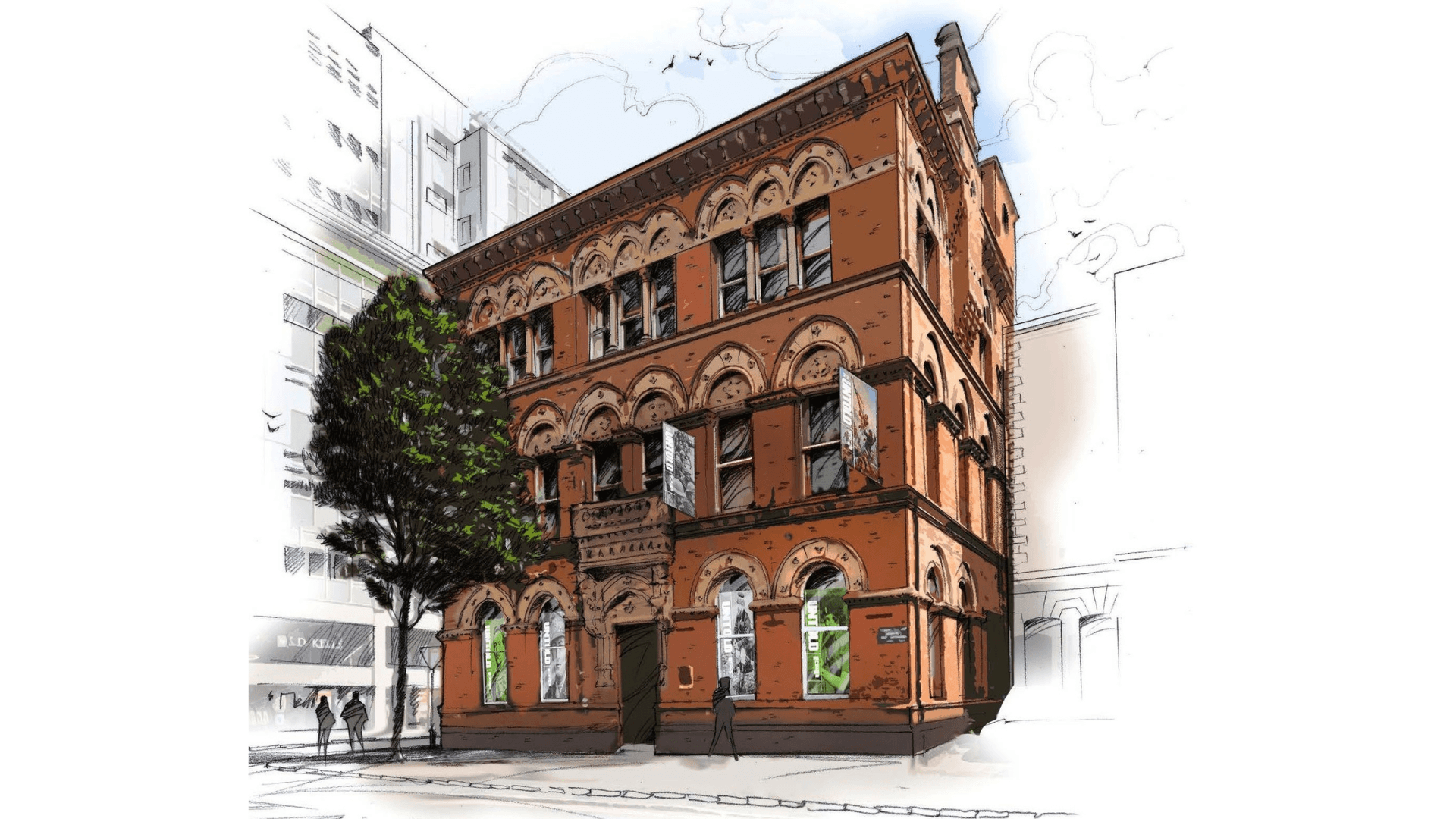
UNTOLD is a new museum taking shape at 28 Bedford Street in Belfast. It tells the stories of the Irish in the British Army, and of the families and communities around them. Across three floors there’ll be a gallery, exhibition spaces and a café — shaped from the start alongside the people whose stories they hold.
UNTOLD wants to break down barriers, physical and social — for the people already behind the project, and for those who might not yet think a museum like this is for them. That openness will shape everything: the design of the building, the experience of visiting, and the way the collections are curated and shown.
The museum commissioned an access and inclusion audit at the very start of its development phase. We were lucky to be delivering this audit in partnership with Open Arts, a Belfast-based arts and disability organisation with decades of experience working alongside disabled people across Northern Ireland.
Why now?
Traditionally, organisations tend to consult the public about their accessibility once the designs are almost complete and important decisions have already been agreed by senior level staff. UNTOLD wanted to approach the way they will create their museum differently.
As well as the access and inclusion audit, UNTOLD chose a co-design approach for the public spaces across the Ground to Second floors of 28 Bedford Street — meaning decisions weren’t left solely to the UNTOLD board and staff but opened up to other voices too. Participants in this co-design process weren’t simply reacting to finished plans. They were influencing discussions around interpretation, visitor experience, accessibility and the overall direction of the museum.
For UNTOLD, it was more important to get it right in the eyes of their future audiences, to ensure as many barriers as possible were removed early on.
What did we do as part of the audit?
Before anything else, it was important to get a sense of the current state of the building to assess its layout and what had been done so far, as well as to understand physical plans for the future museum. Members of the Open Arts team visited the building with this purpose in mind and reviewed the design brief.
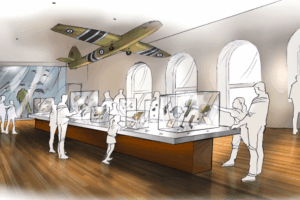
(Images courtesy of UNTOLD)
They involved members of their ‘Lived Experience Team’ (LET) to support them with this task. The LET is a consultant group made up of participants from Open Arts’ artistic programme for disabled adults and disabled adults of their board. Its members are blind, d/Deaf, have learning disabilities, physical disabilities, are neurodiverse and have mental ill health. Each member brings their own perspective and experience to the table. This allowed a wider variety of needs to be explored and addressed.
Thrive ran focus groups with four audiences UNTOLD particularly wanted to reach — disabled people, veterans, families, and people from a range of ethnic backgrounds. We paired this with desk research on accessibility in museums across the UK and Europe, giving UNTOLD a sense of where its plans sit against wider sector practice.
What did we find?
Accessibility isn’t only about ramps and lifts. It’s about whose stories get told, in whose voice, and how carefully.
Disabled visitors often decide not to come long before they’d reach the door — an inaccessible website, or facilities that don’t match what was promised online, is enough. Communities whose histories have been left out told us they visit selectively: somewhere that gives them a reason to feel included, not somewhere that doesn’t. Veterans said they want their service represented accurately, and want to meet others who’ve been through it.
And all of this sits inside Northern Ireland, where contested history carries a weight that demands community-informed decisions at every stage.
None of it is hard to build in now. All of it is hard to bolt on later.
Who else has done it?
Examples of museums that have genuinely embedded accessibility from the design stage remain rarer than they should be.
The Canadian Museum of Human Rights, Winnipeg designed its building, exhibitions and operations inclusively from the outset, consulting disability organisations nationwide. It won the International Association of Universal Design Gold Award and is widely regarded as a global standard for designing for everyone from day one.
The Museum of Liverpool took the same approach and was subsequently ranked the most accessible visitor attraction in the UK with its deputy director confirming that accessibility was a founding intention, not an addition.
At Wellcome Collection in London, inclusion extended beyond the physical into object selection, interpretation and whose voices were centred; embedded as an opportunity for creativity rather than a compliance exercise.
What can you learn from UNTOLD?
1. Start conversations before decisions are made
Inviting audiences to have their say while your project is still being developed can have a massive impact on how you decide to welcome visitors in the future. If they feel listened to and feel like their contributions are making a difference, just like UNTOLD’s co-design participants, you’re probably doing something right.
2. Accessibility is much bigger than buildings
Of course, physical accessibility matters, but information, confidence and belonging were people’s first priority. Accessibility starts well before someone arrives at the building. Accessibility is about reducing uncertainty.
3. Staff matter more than almost anything else
Staff shape the whole experience you offer. Poor interactions with staff often define an entire visit, while welcoming and knowledgeable staff can transform experiences.
4. People want honesty and context when it comes to contested histories
Given UNTOLD’s subject matter, we spent a lot of time discussing contested histories and difficult narratives. People we talked to weren’t asking for complexity to be avoided but rather for honesty, context and multiple perspectives to be represented.
Annie Morrissey, Heritage Engagement Officer at UNTOLD and Maurane Ramon, Head of Client Development at thrive, will deliver a talk at the Heritage Trust Network Conference 2026 on Monday 28th September.
Also worth a look
Newsletter
Fresh ideas for building your audience straight to your inbox
Our emails are full of content relevant to you that you can jump into when you have five minutes spare. We’ll send one or two emails a month and you can unsubscribe any time.
By clicking Sign Up you're confirming that you agree with our Terms and Conditions.

Contact us
We’re called thrive for a reason. Let us know how we can best support you – drop us a line any time.
Search our website
Search for free reports, toolkits, audience development tips and more